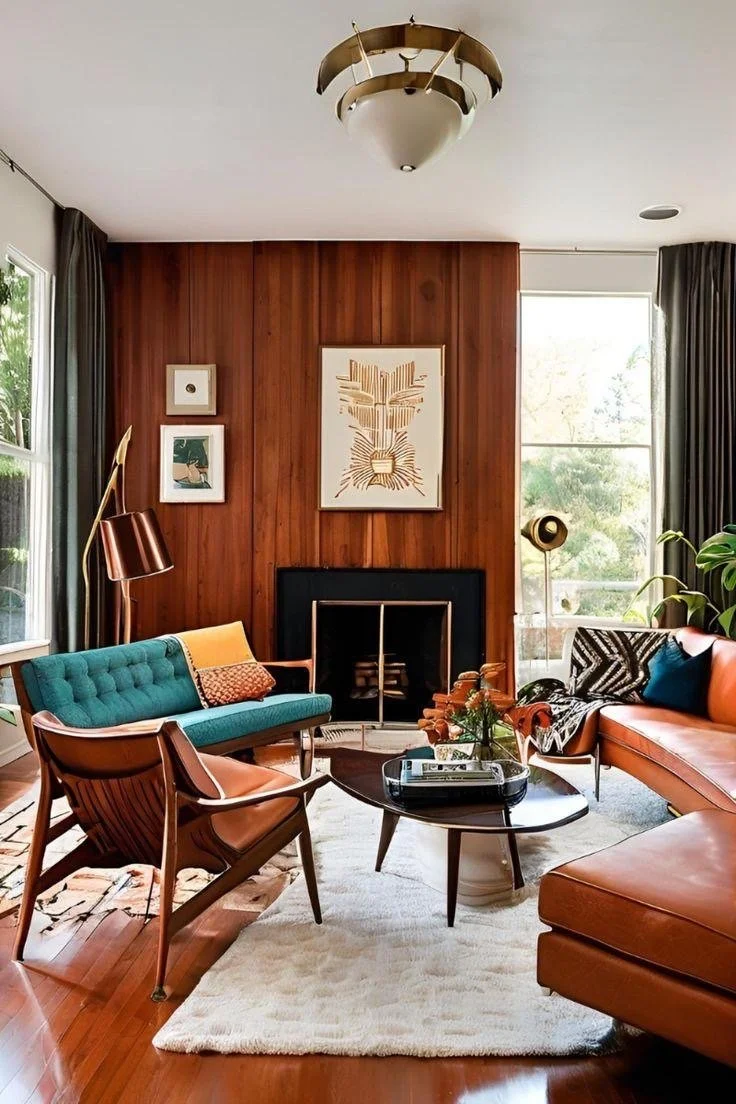
Thoughtful Maximalism and Living with Intention
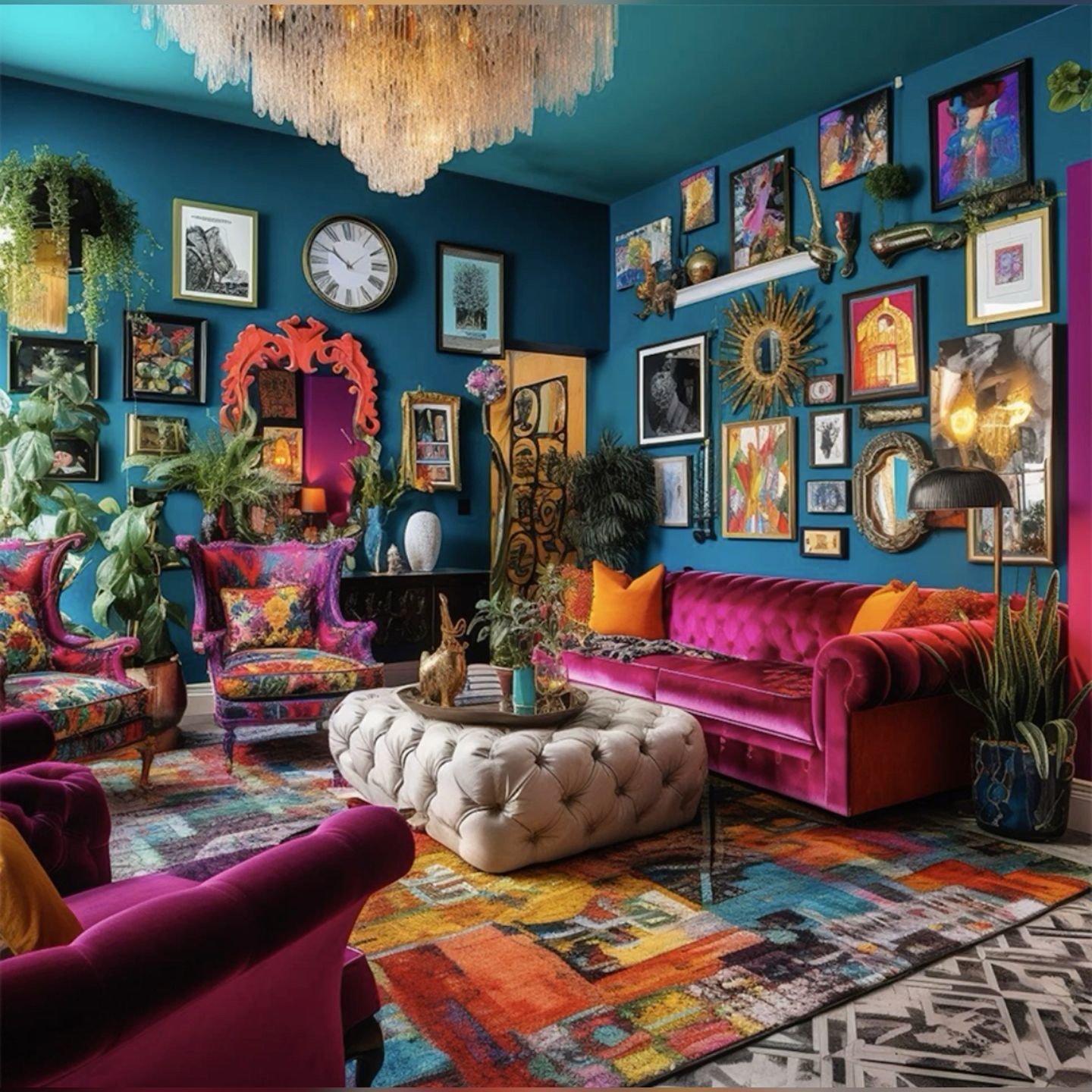
Maximalism is still influencing interiors in 2026, but it has evolved into a quieter, more intentional style. Instead of filling rooms with excess simply for visual impact, people are becoming more selective about what they bring into their homes.
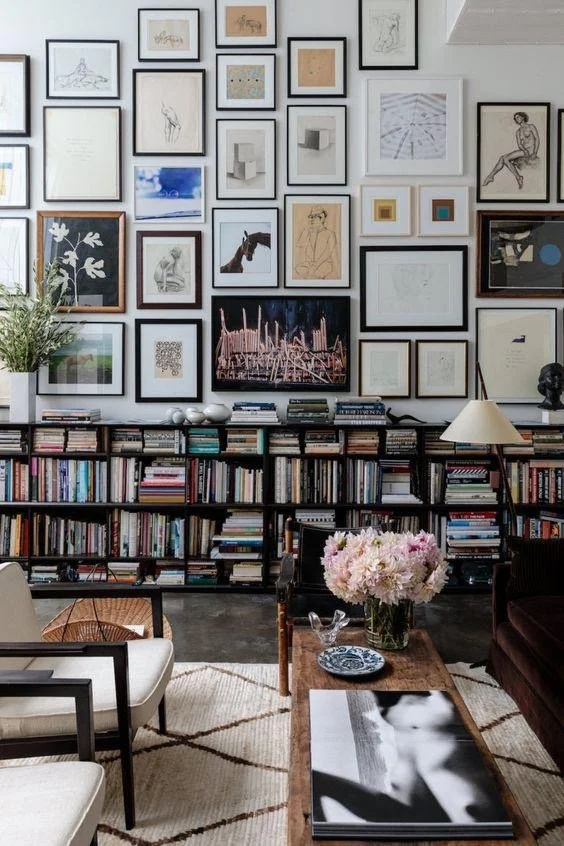
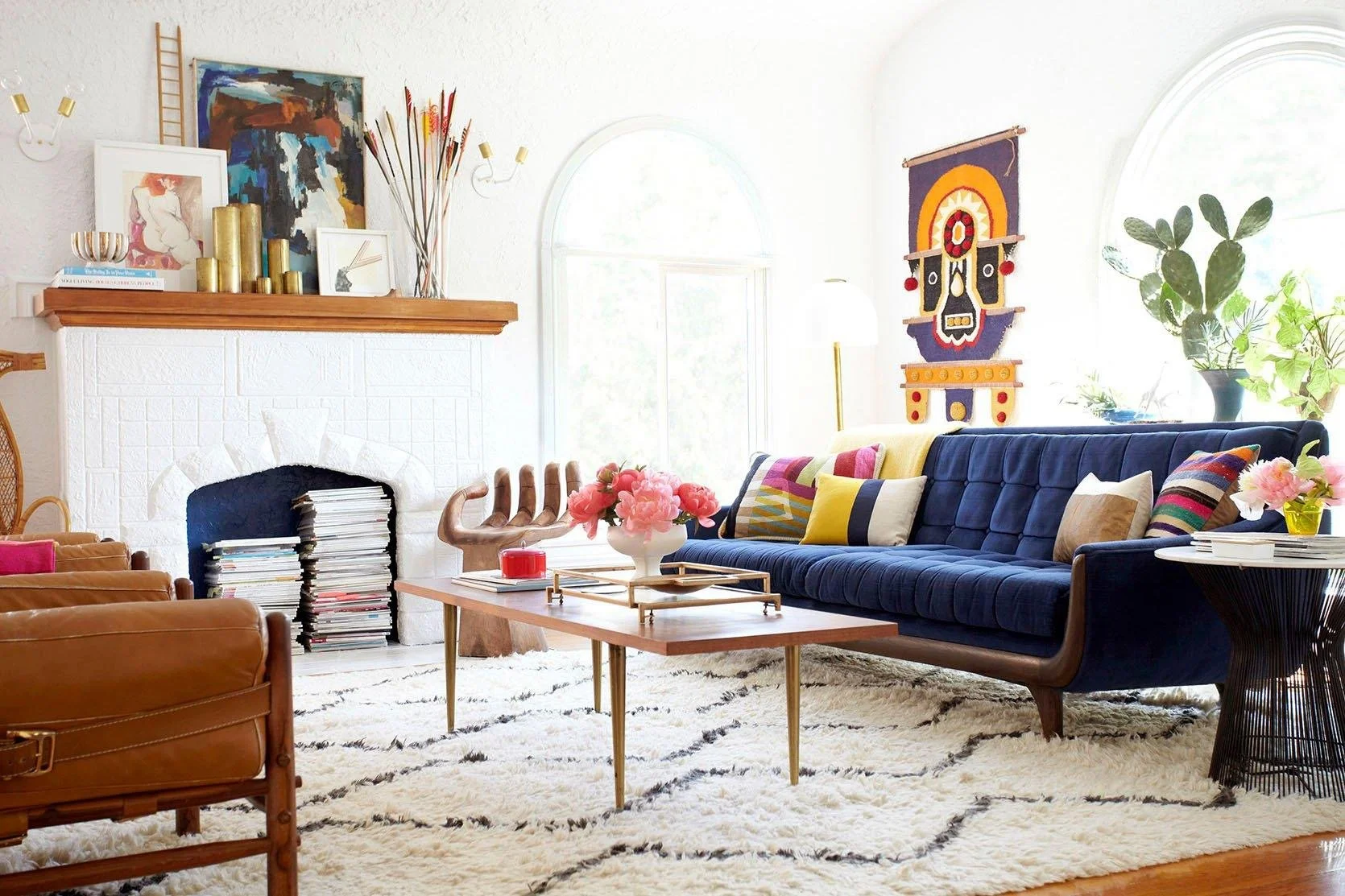
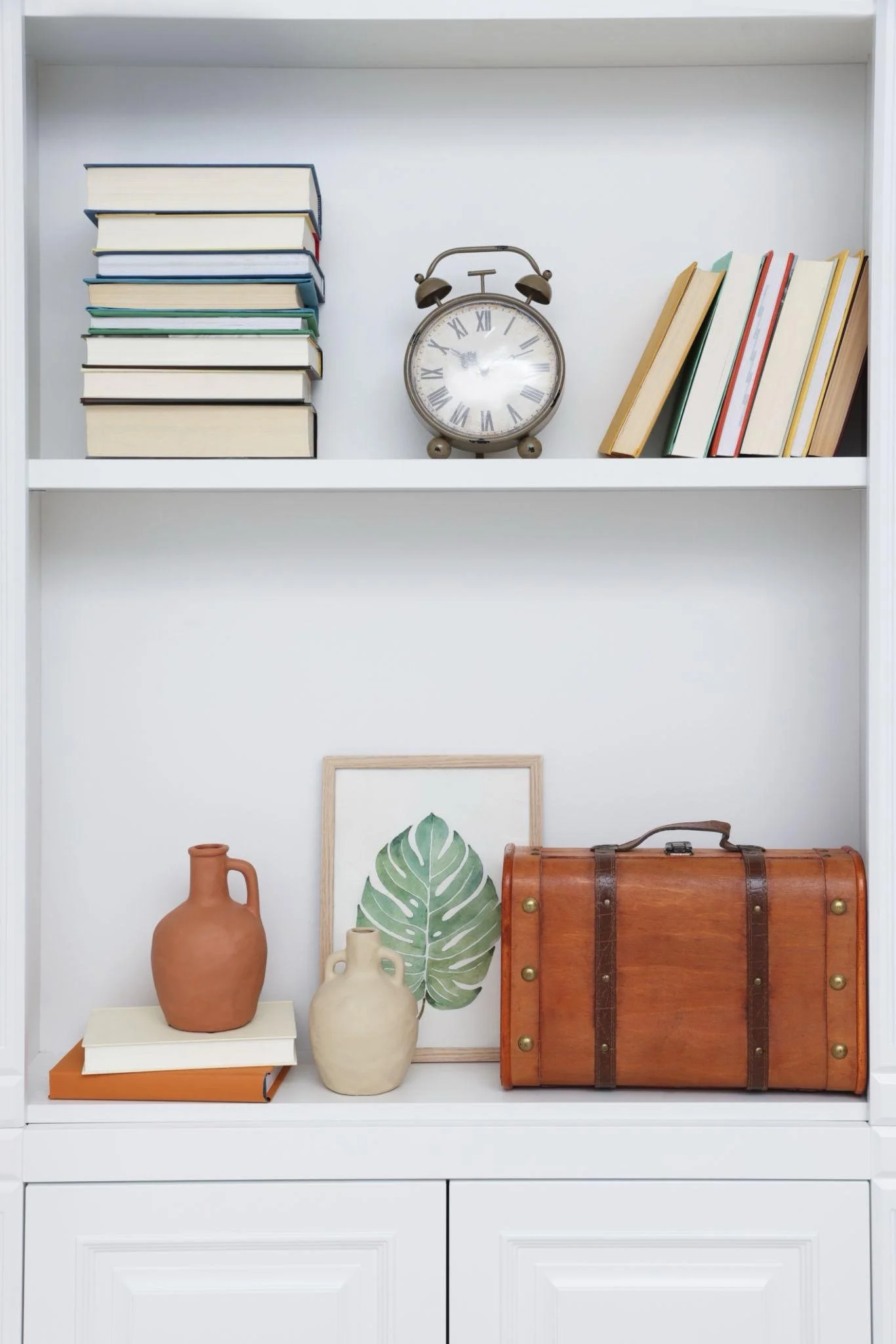
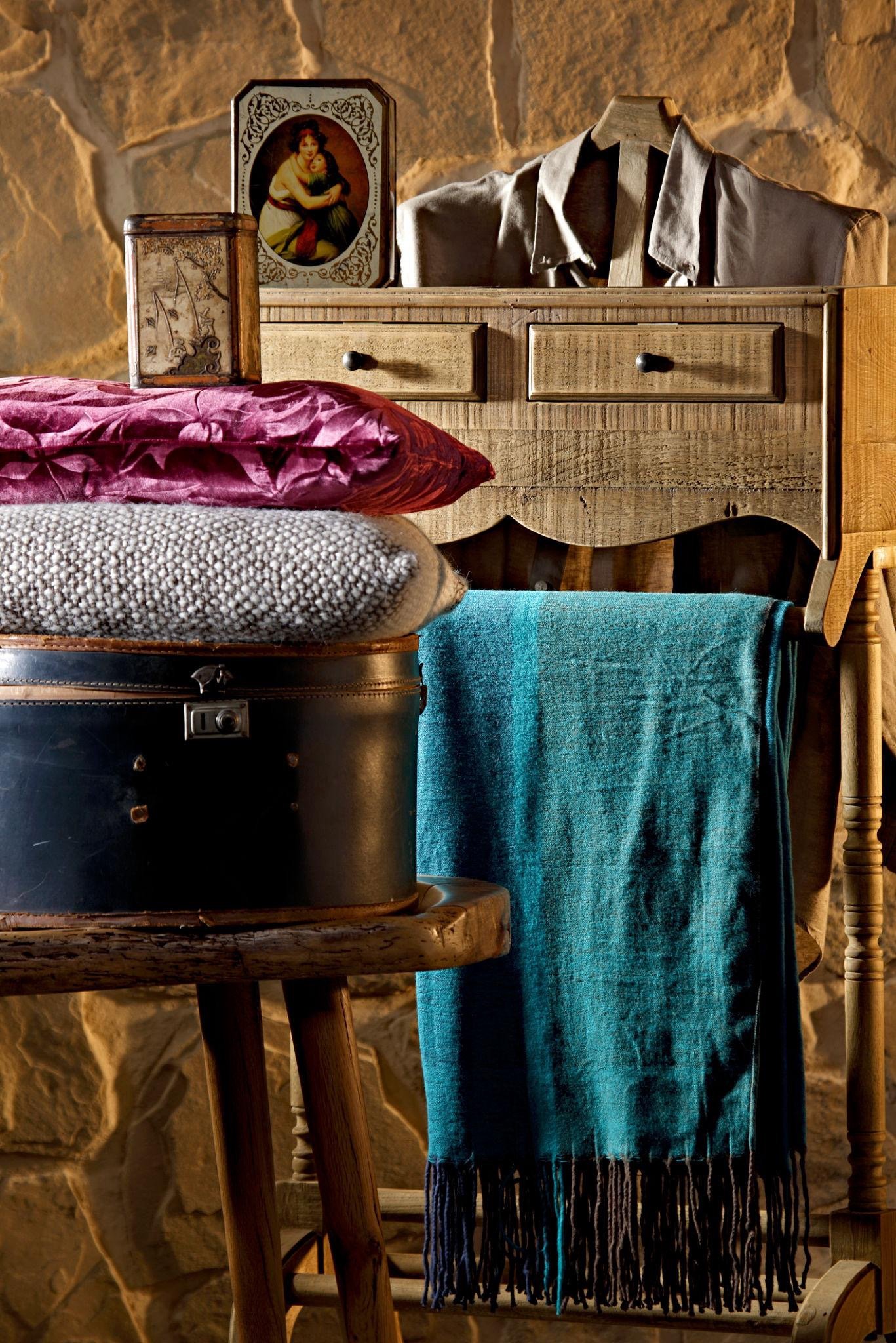
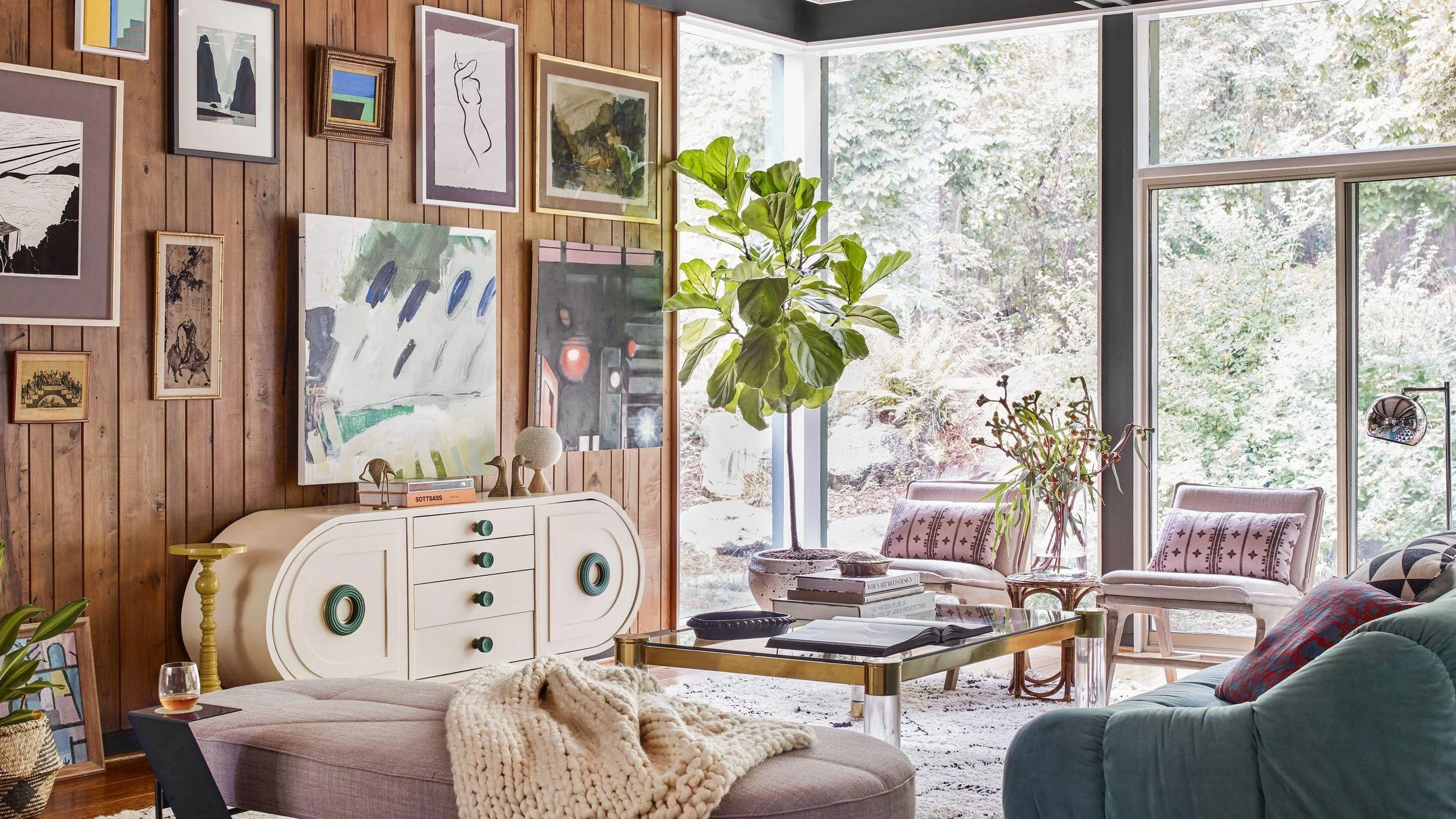
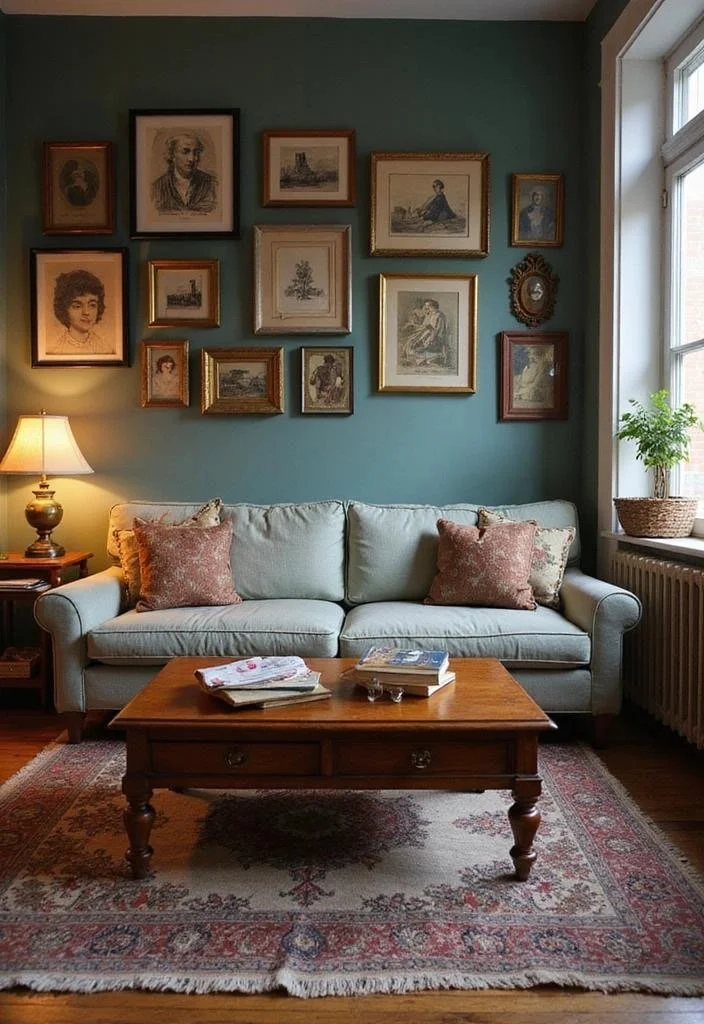
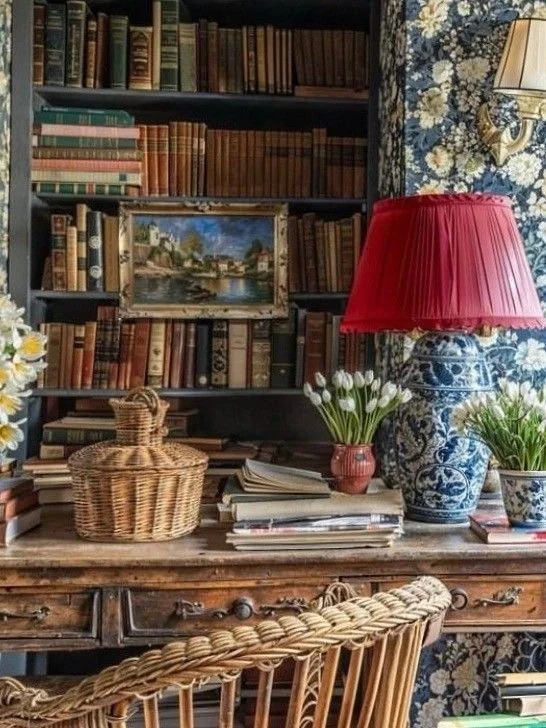
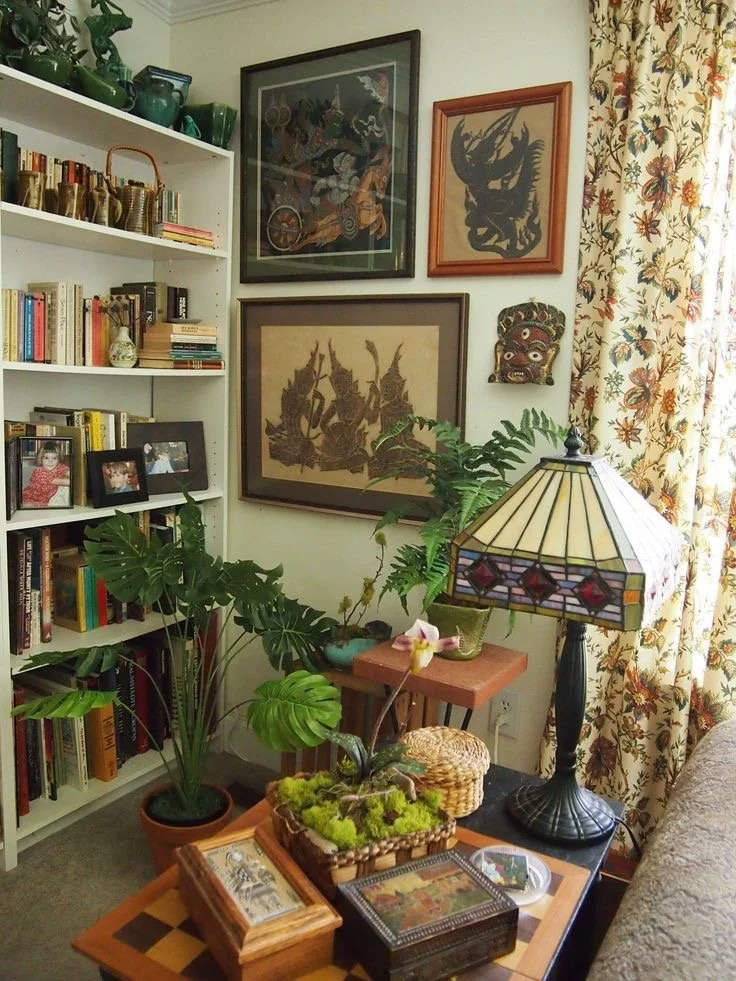
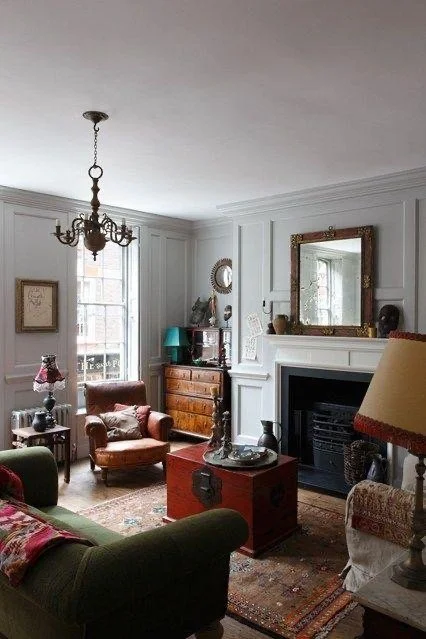
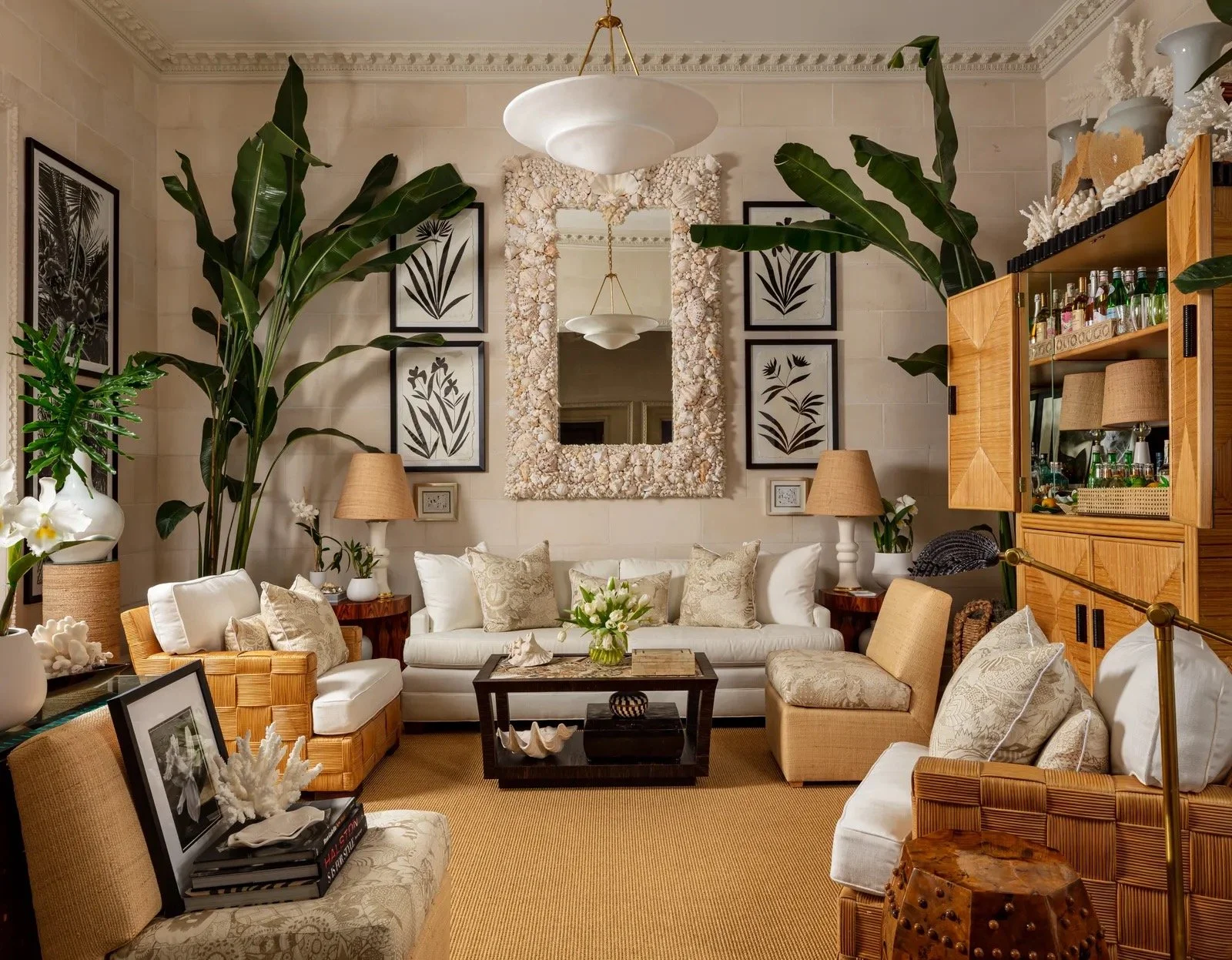
This new form of maximalism is rooted in storytelling. Rooms are layered with meaningful pieces like favourite books, collected art, sculptural lighting, travel finds, vintage treasures, and objects tied to memory or personal identity. The goal is not clutter, but character.
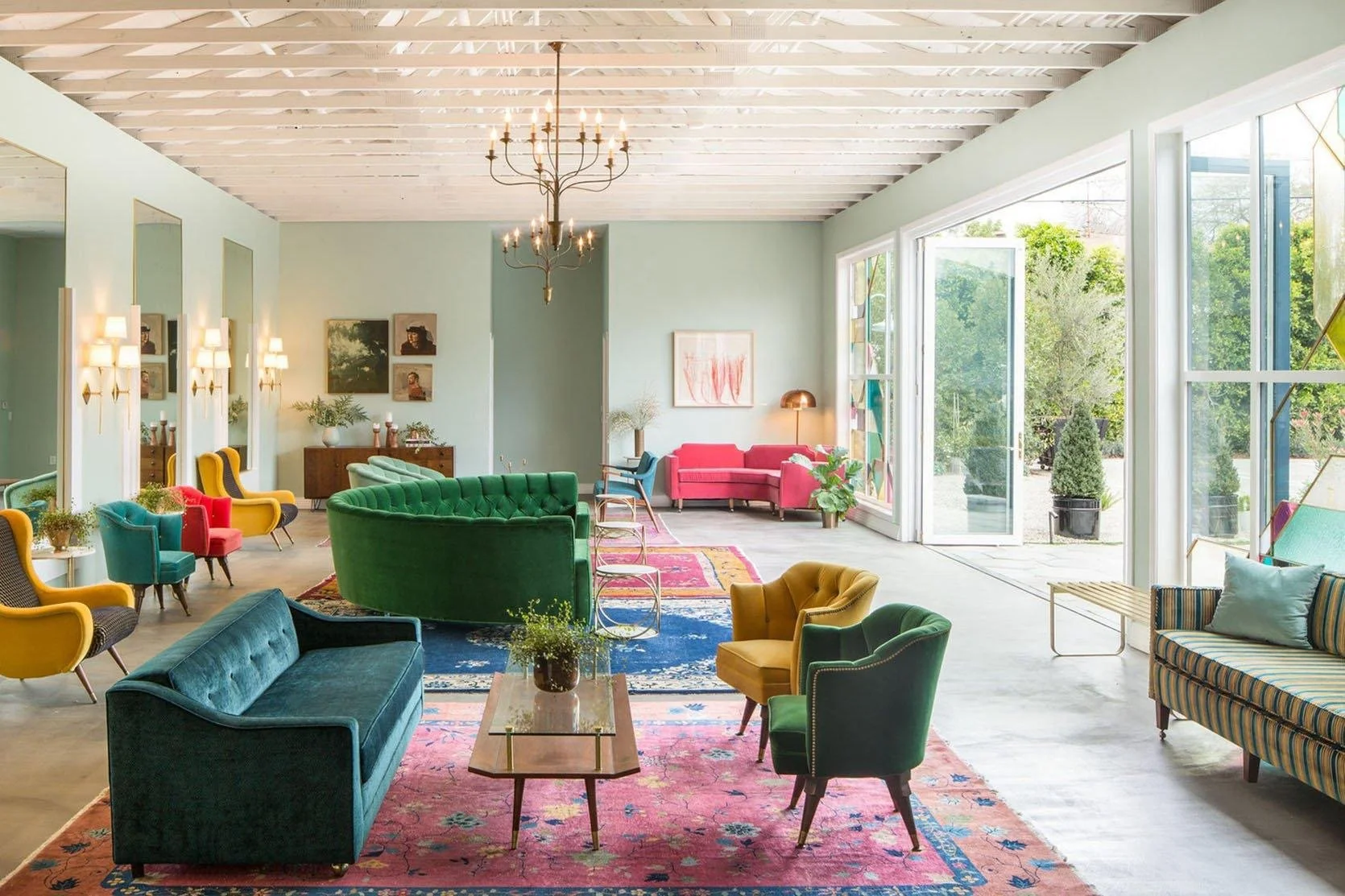
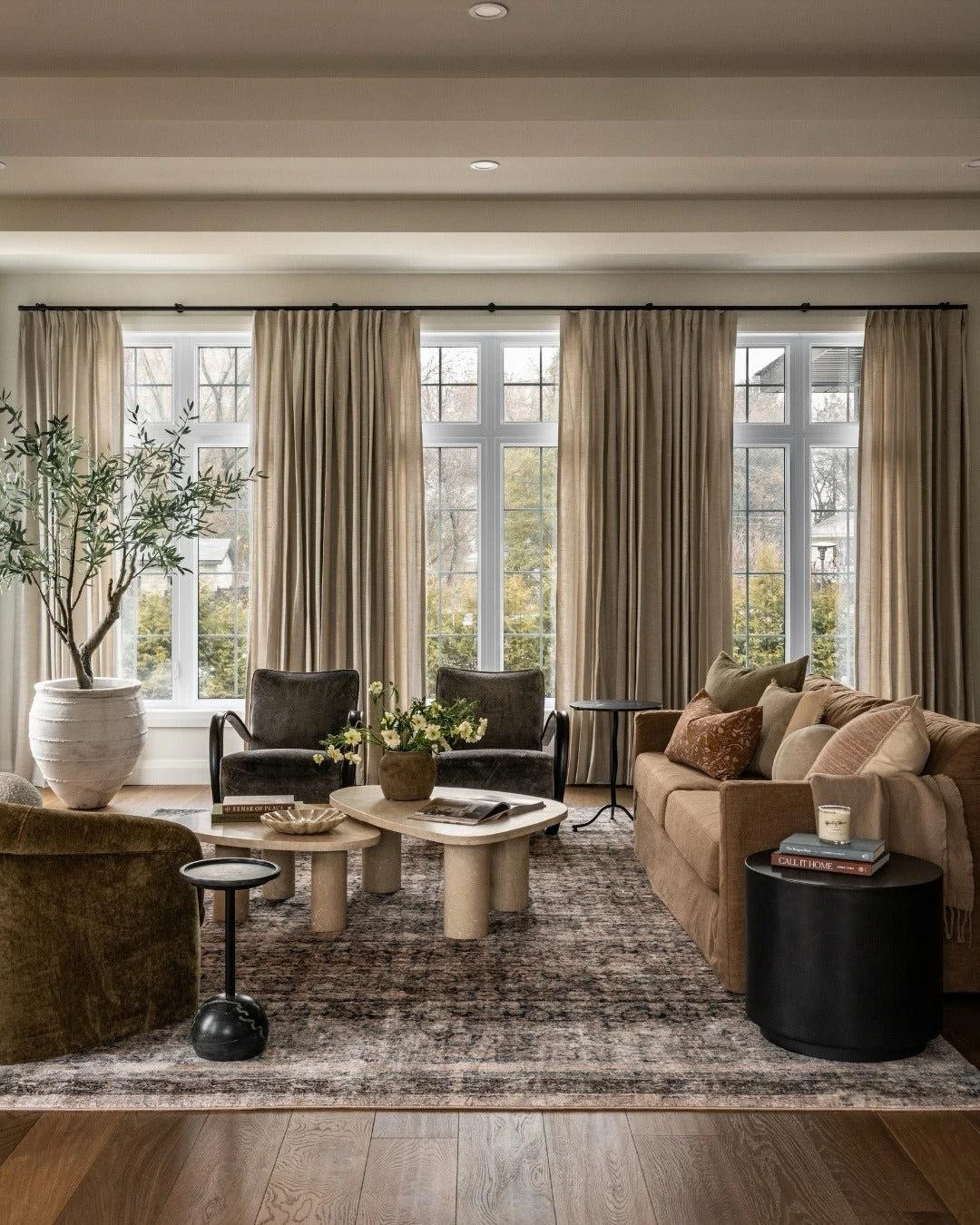
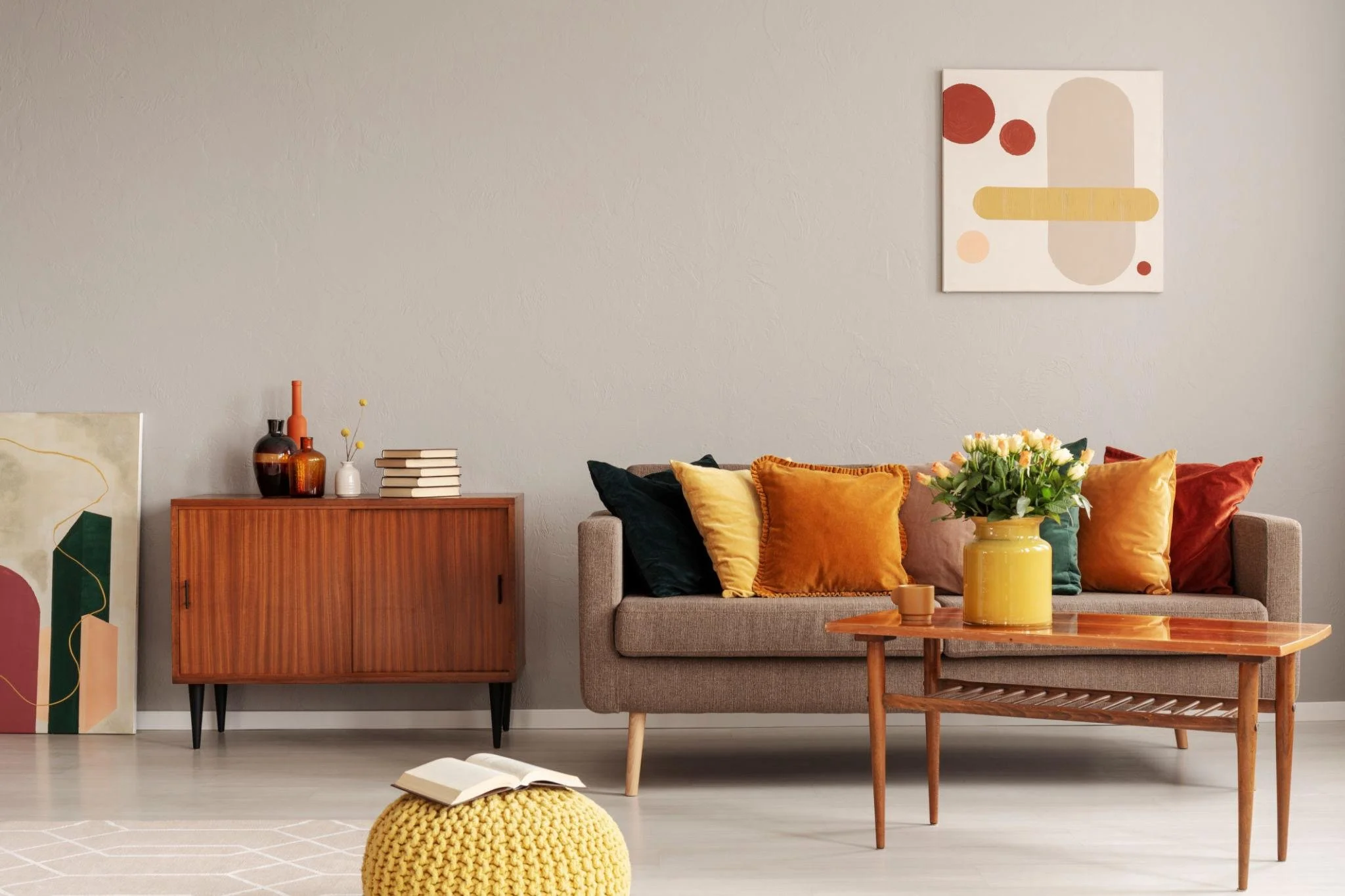
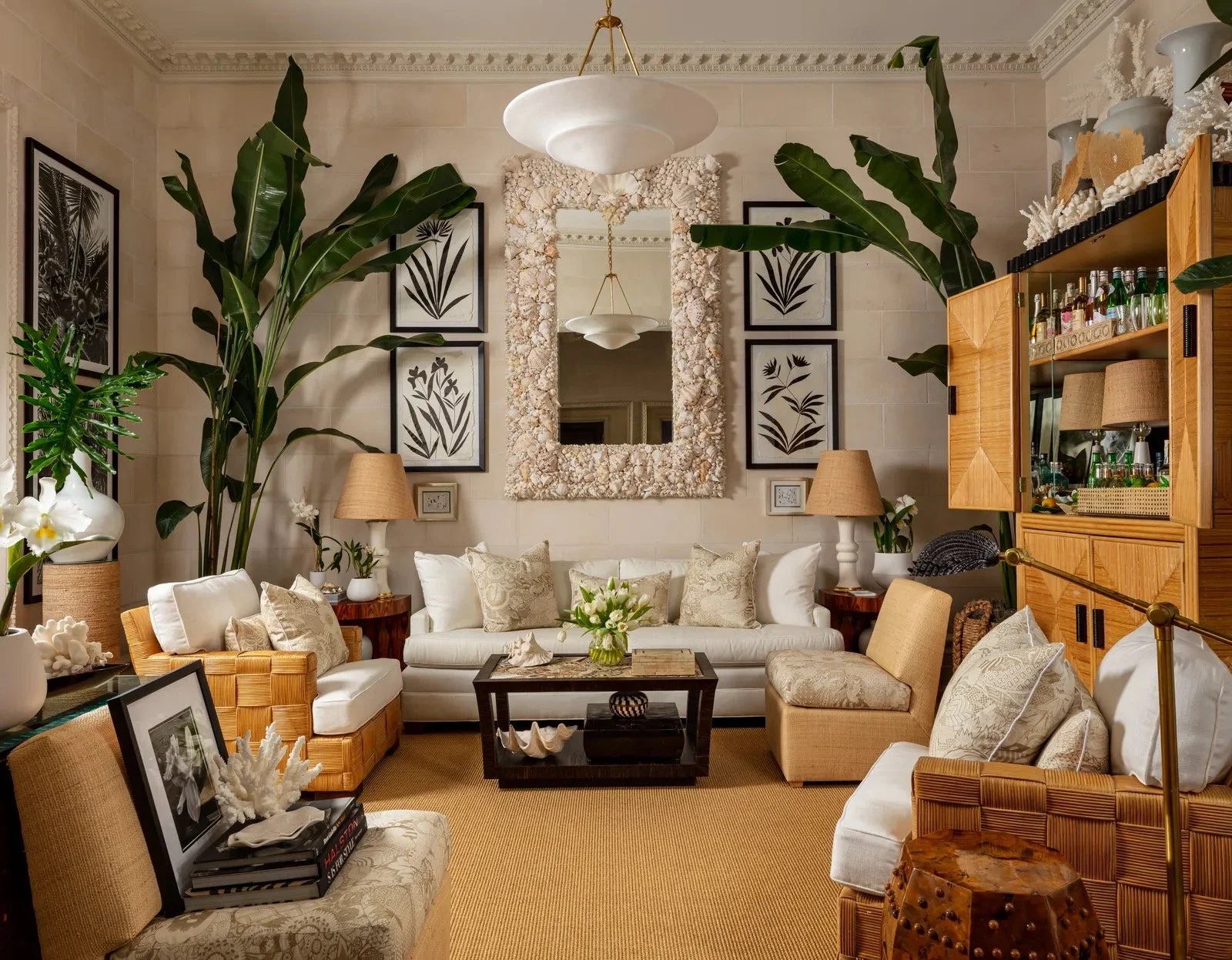
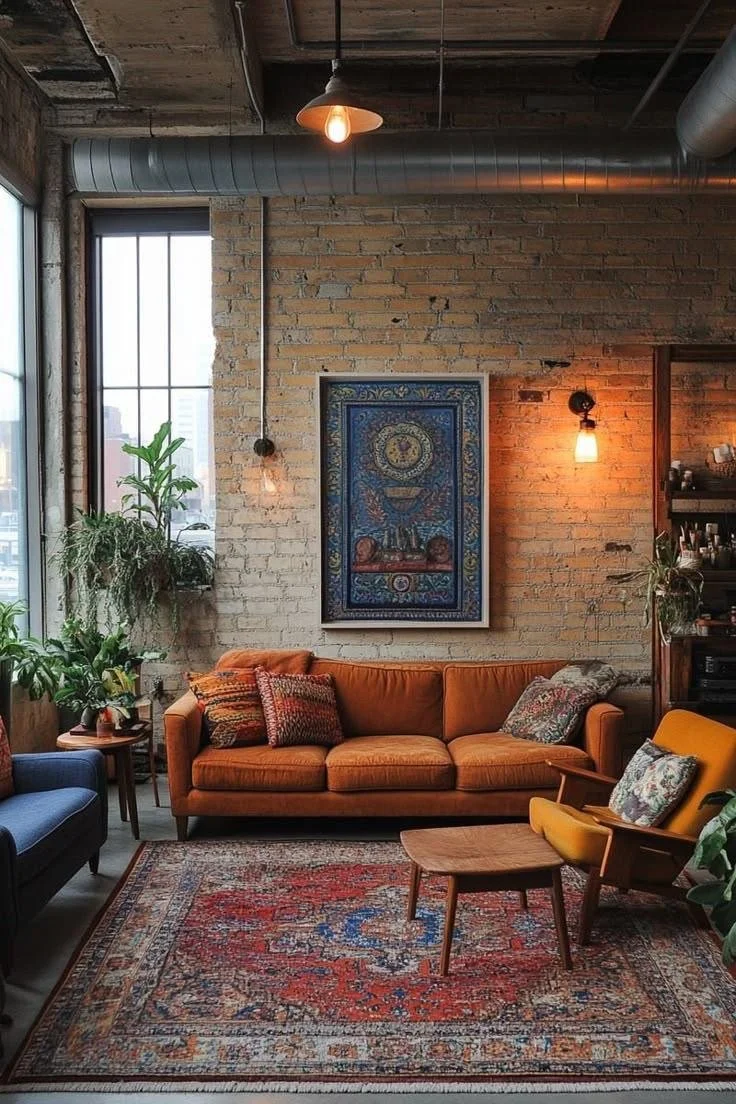
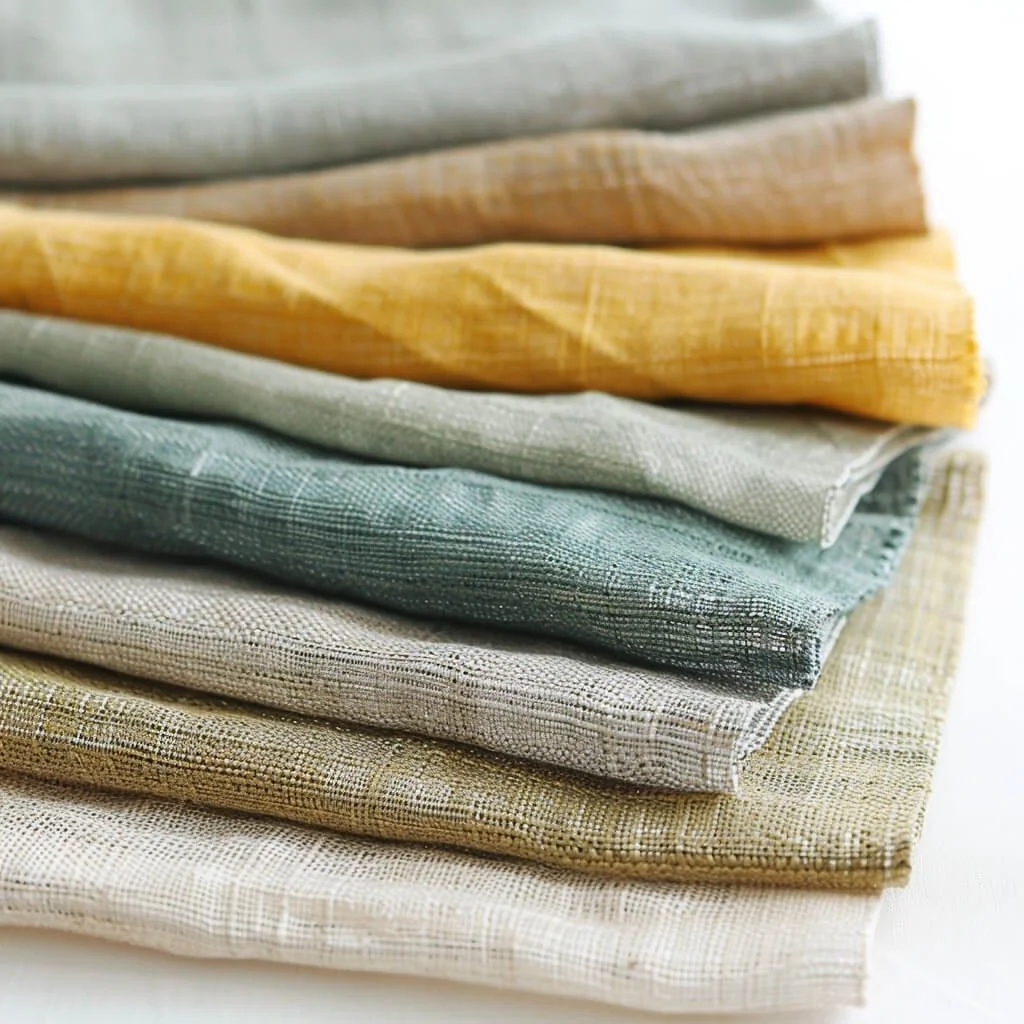
Homes feel fuller and more expressive, yet still calm and balanced. A carefully chosen mix of textures, materials, and collected objects creates depth without overwhelming the space. Statement pieces stand out more because they feel personal rather than purely decorative.
This shift also reflects a broader movement toward intentional living. People are becoming more aware of how their environments affect their mood and daily life. Interiors are being designed not just for appearance, but for comfort, functionality, and emotional connection.
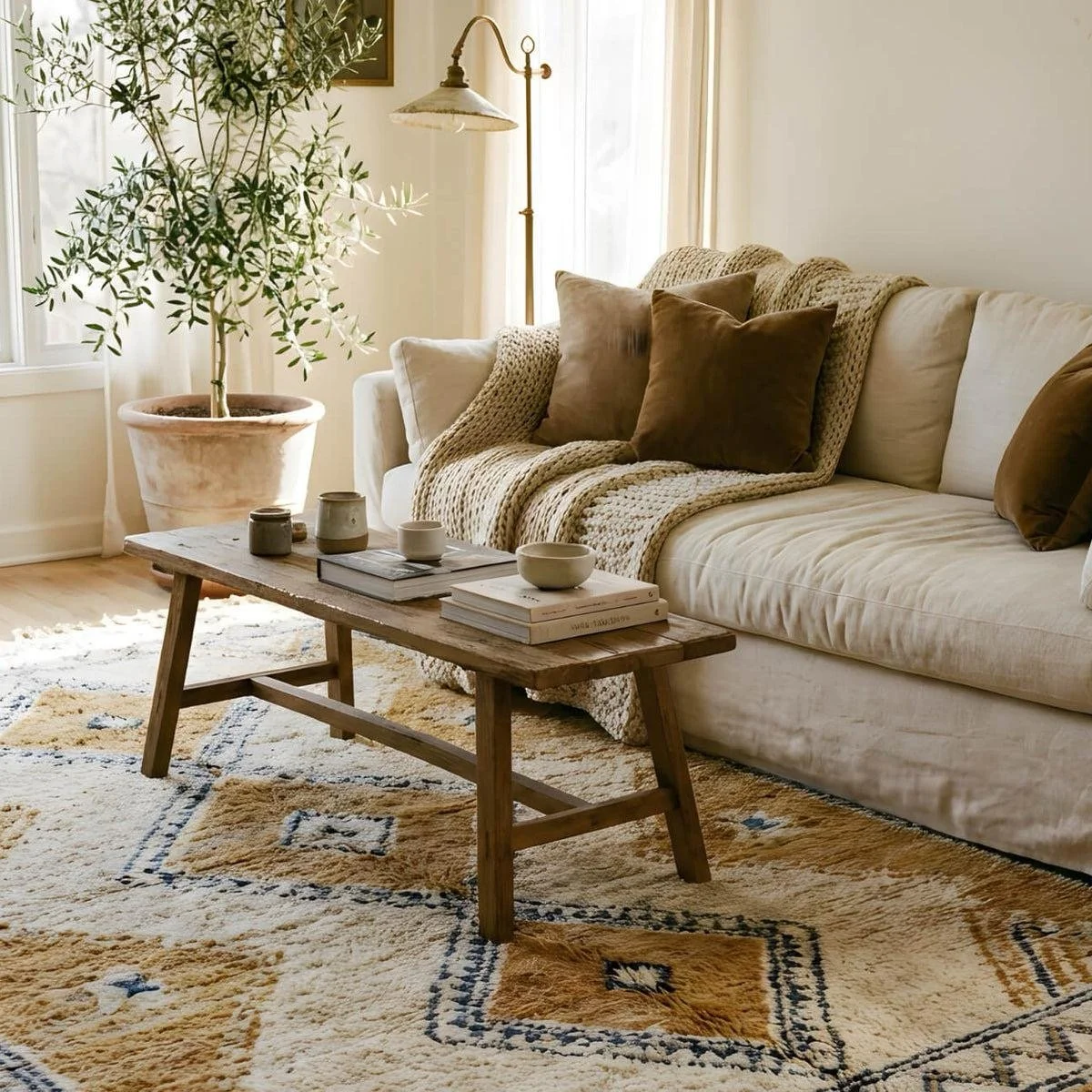
Spaces are now expected to support slower routines and everyday rituals. Reading corners feel inviting, dining spaces encourage gathering, and bedrooms are designed to feel restorative rather than purely aesthetic. There is a growing appreciation for homes that evolve naturally over time rather than appear instantly complete.
At its core, the 2026 design is less about achieving perfection and more about creating a home that feels genuine. The most compelling interiors are not necessarily the most expensive or trend-driven, but those that feel deeply lived-in and connected to the people who inhabit them.
A well-designed space now feels welcoming rather than performative. It reflects personality, history, and emotion through every layer. And perhaps that is the biggest shift of all: homes are no longer designed simply to be seen, but to truly be lived in.